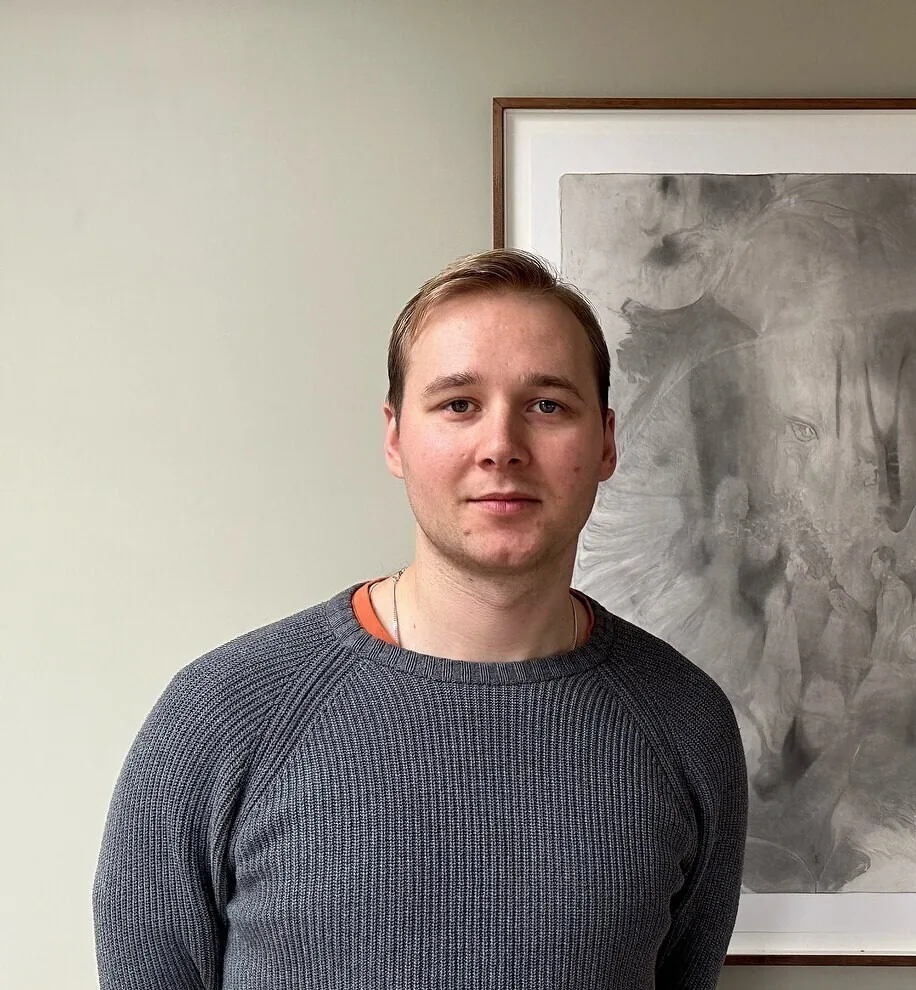
About Prasad Beaven
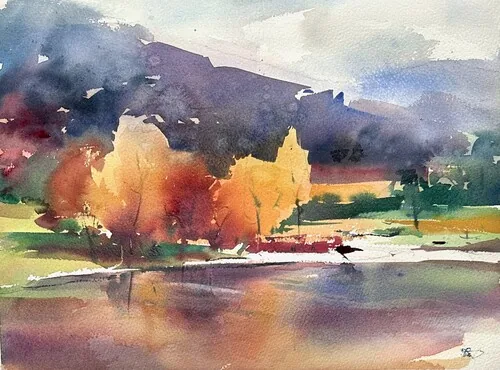
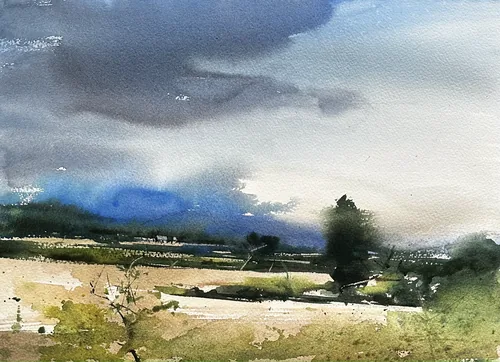
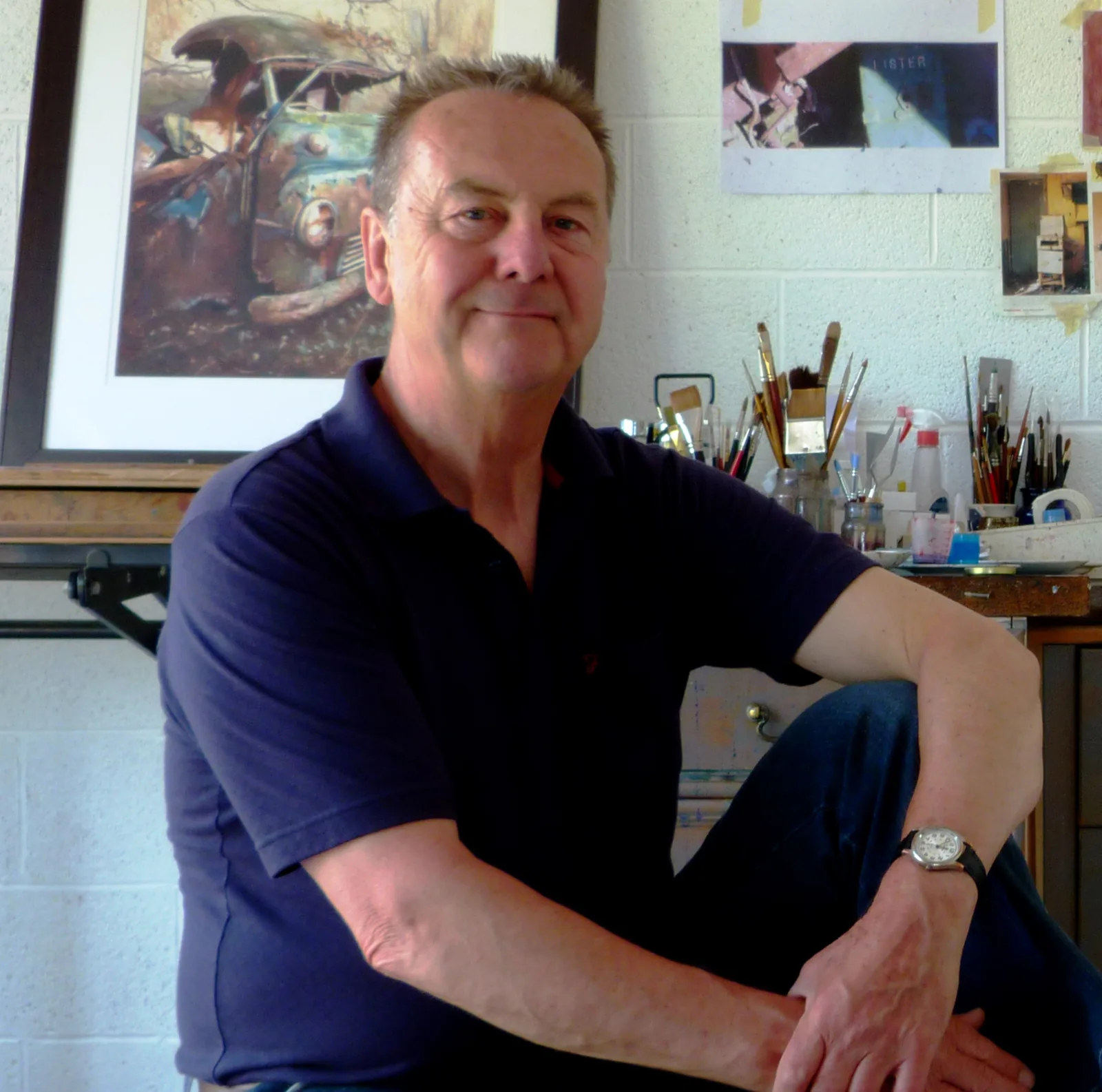
Prasad Beaven is a British artist and member of the Royal Institute of Painters in Water Colours. His watercolor and ink landscapes draw on the trees and mountains he remembers from childhood in northern India. At Artefacto he teaches composition, color and loose painting.
Read full biographyShow less
Training and recognition
Prasad studied illustration at the University of Brighton and earned his MA at the Prince’s Foundation School of Traditional Arts in 2021. There he was introduced to Indian miniature, Persian painting, geometry, icon painting and Chinese landscape painting. He received the Ciclitira Prize that year.
Childhood and inspiration
His childhood in the foothills of the Himalayas made a big impression on his character and interests. Greatly inspired by nature, he seeks to discover and express its many moods in watercolor and ink.
How he approaches a landscape
In his watercolor landscapes, the rhythm of branches or the shape of a mountain can carry the composition. A limited palette helps connect those shapes, while changes in value let the eye move between foreground and distance.
Learn with Prasad
At Artefacto, Prasad teaches courses on composition, color and mood, simplification and notan, plus recorded workshops on limited palettes and looser brushwork.
RI
member of the Royal Institute of Painters in Water Colours
2021
Ciclitira Prize
5
paintings in Design Before Detail: Mastering Composition
5
hours of video lessons in Design Before Detail
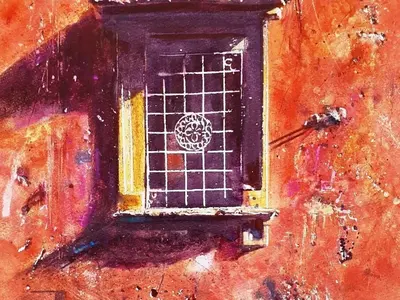
Selected works by Prasad
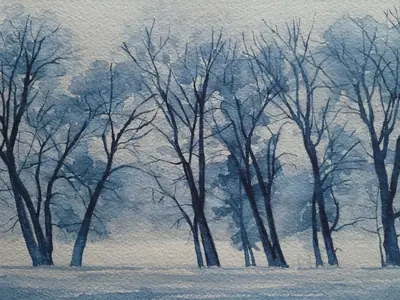
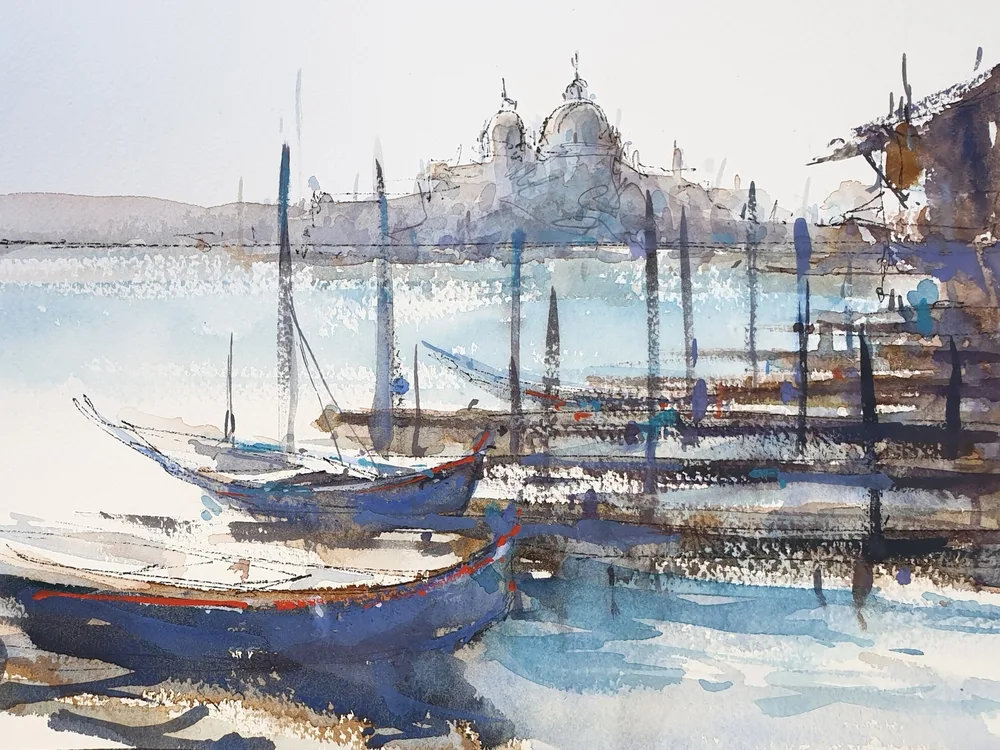
Look at how a few big shapes carry each landscape: dark masses against light, with the detail kept for the center of interest. That is the design thinking Prasad teaches.
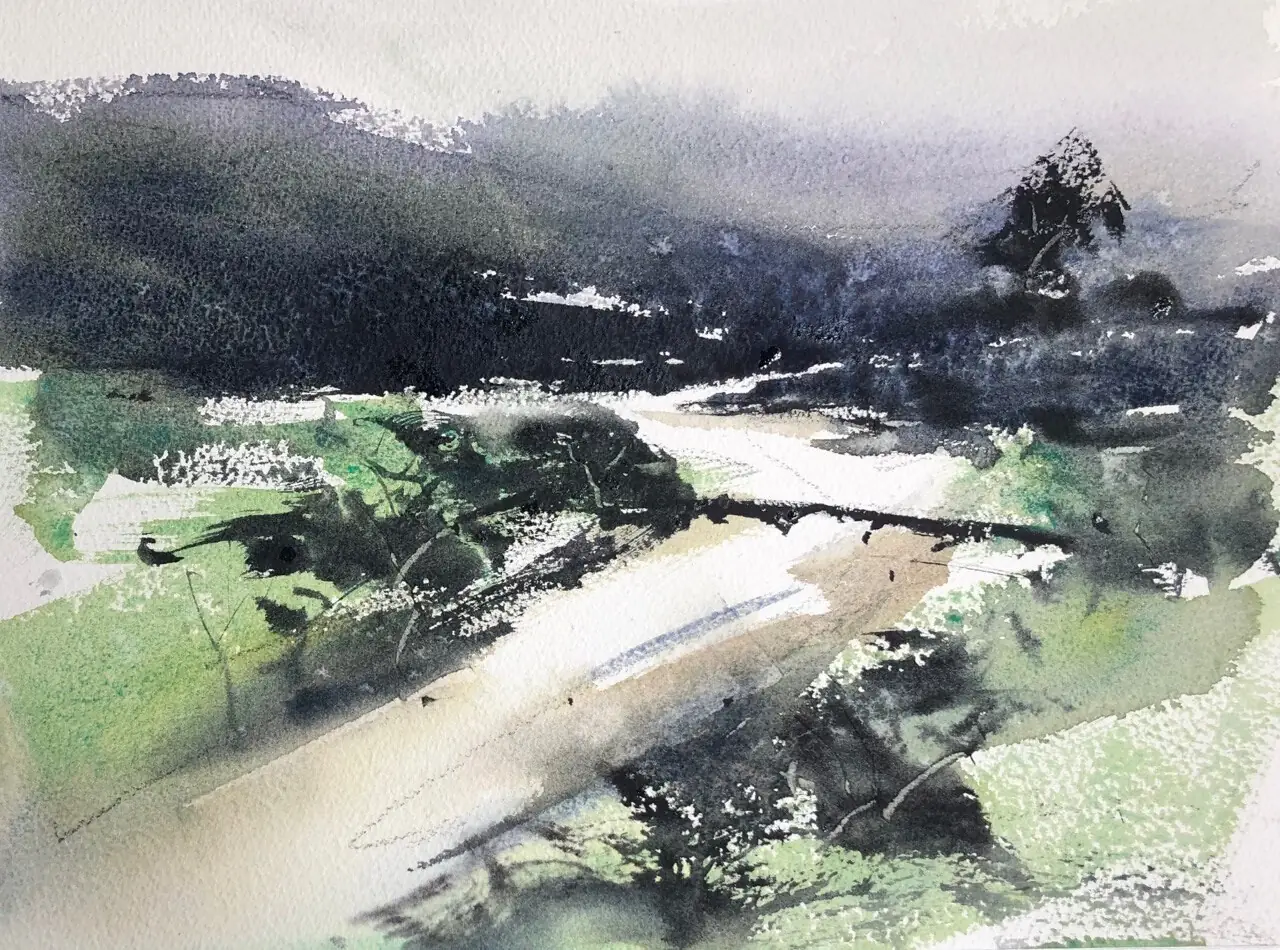
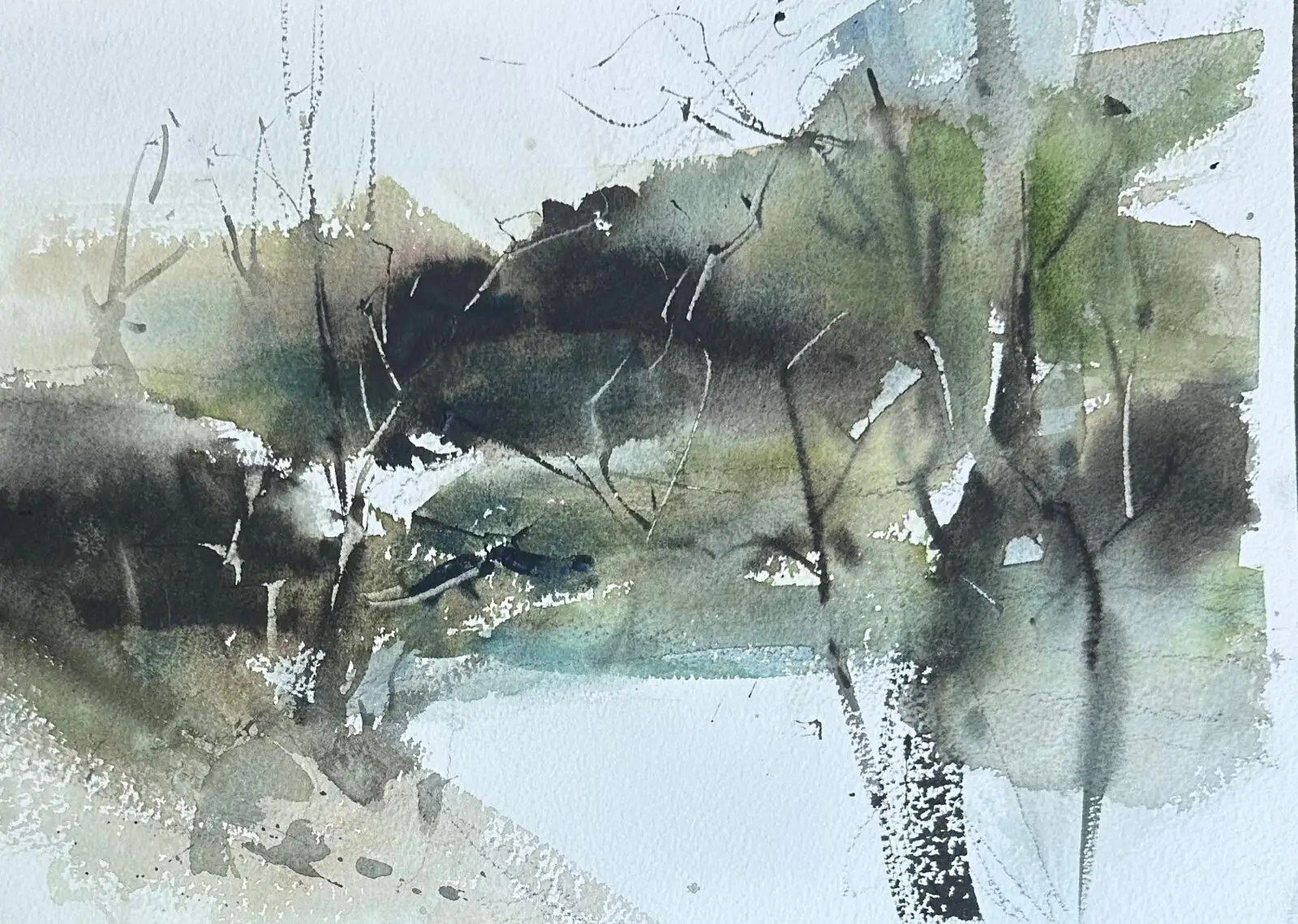
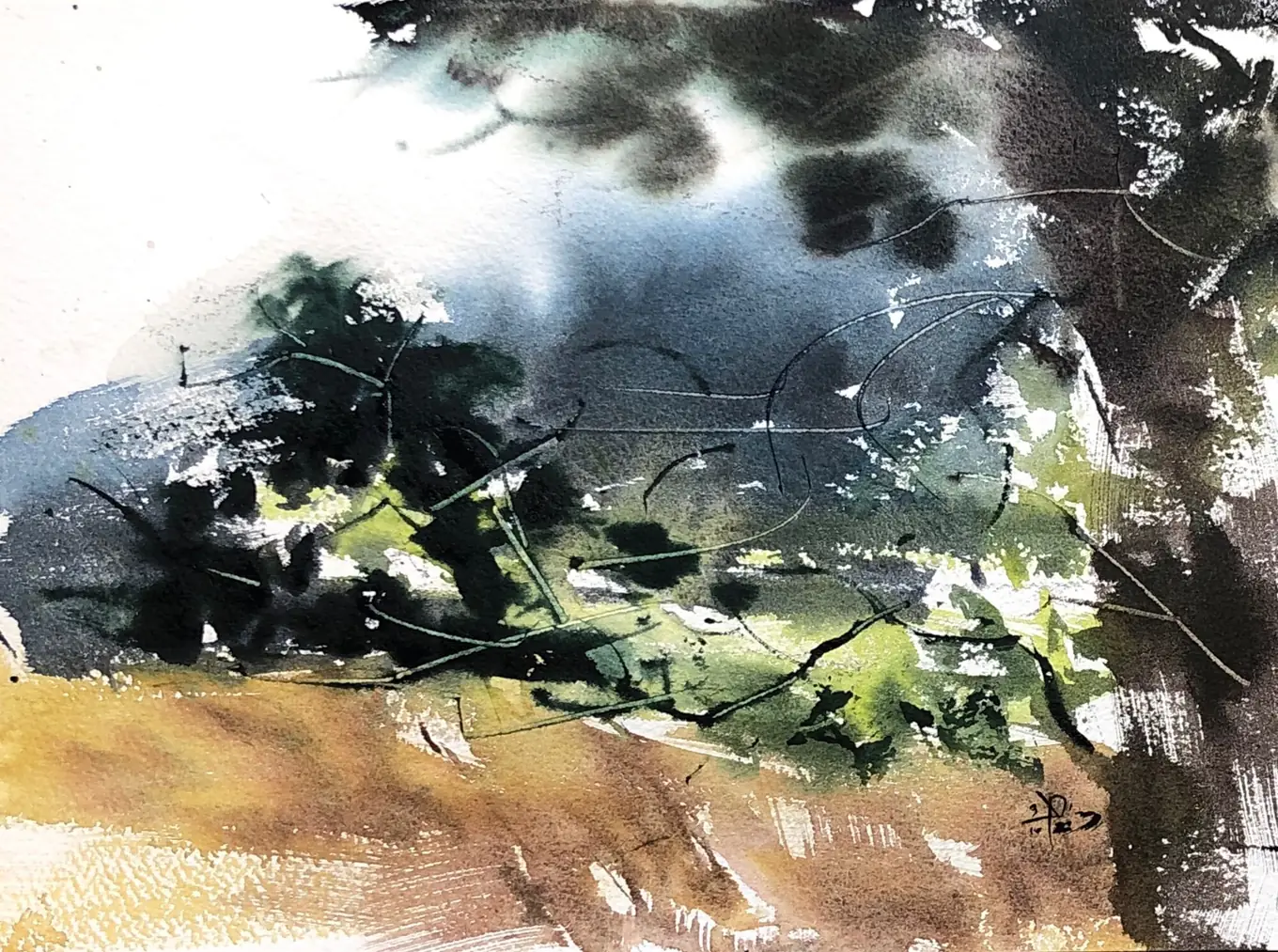
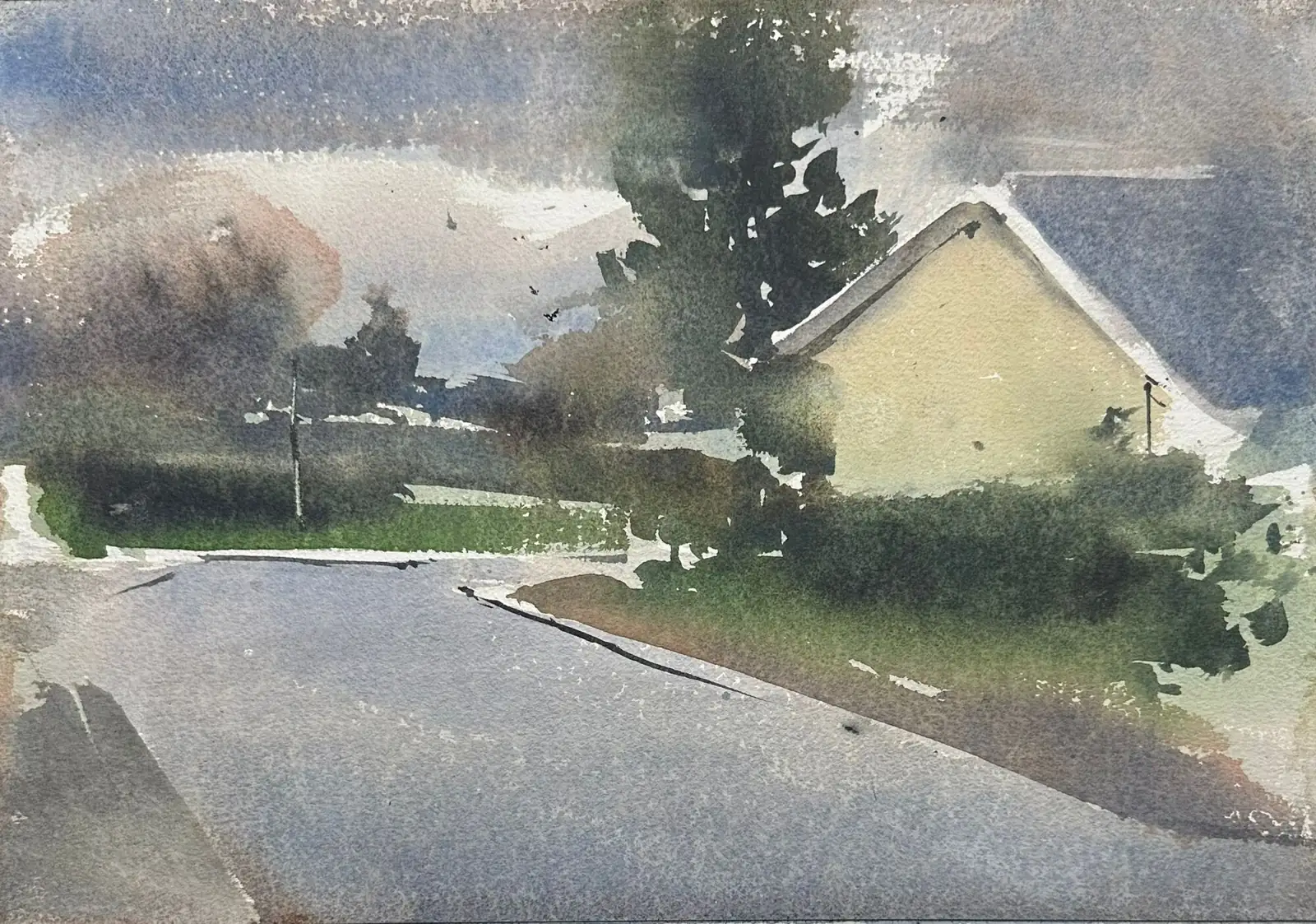
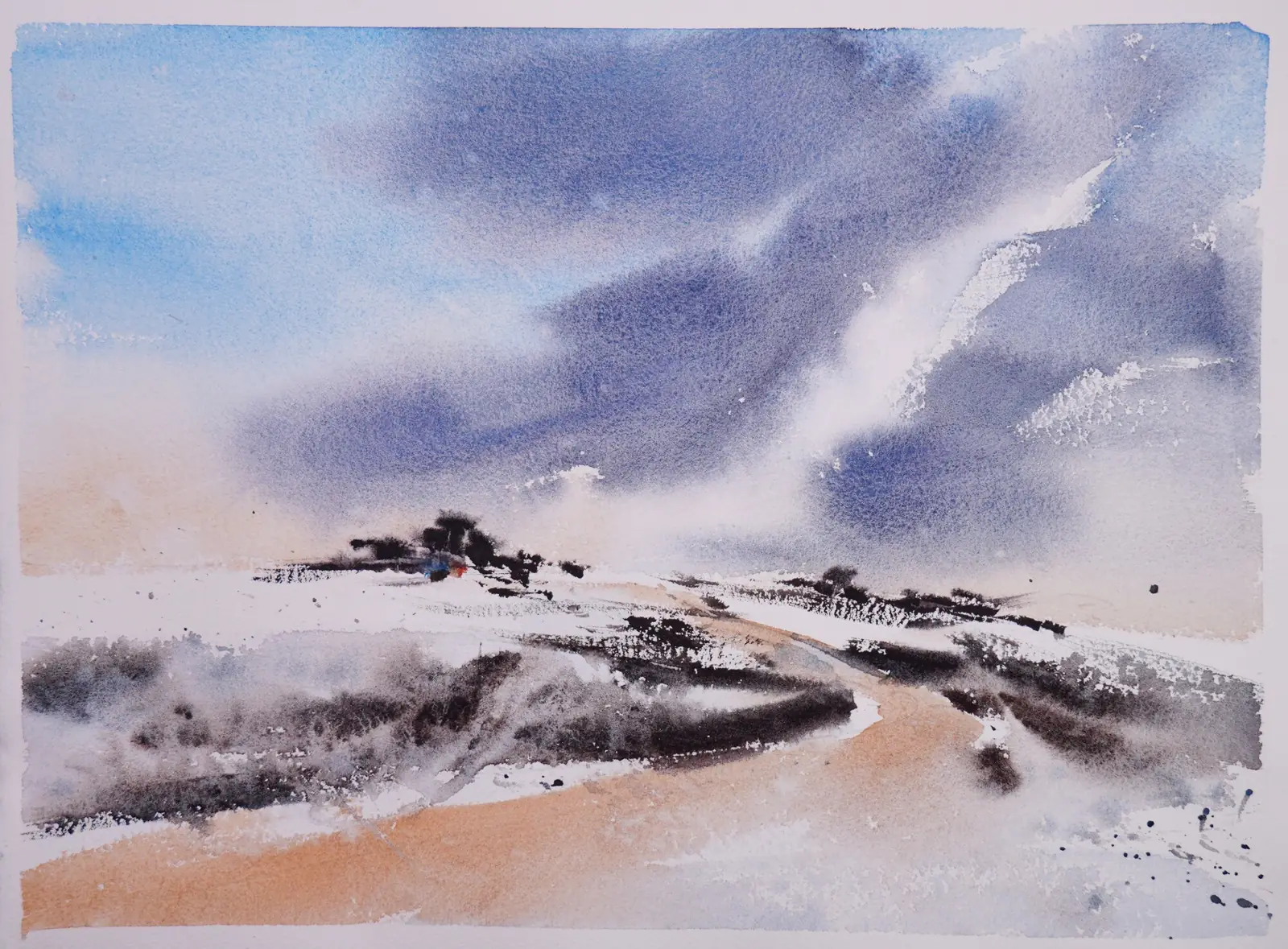
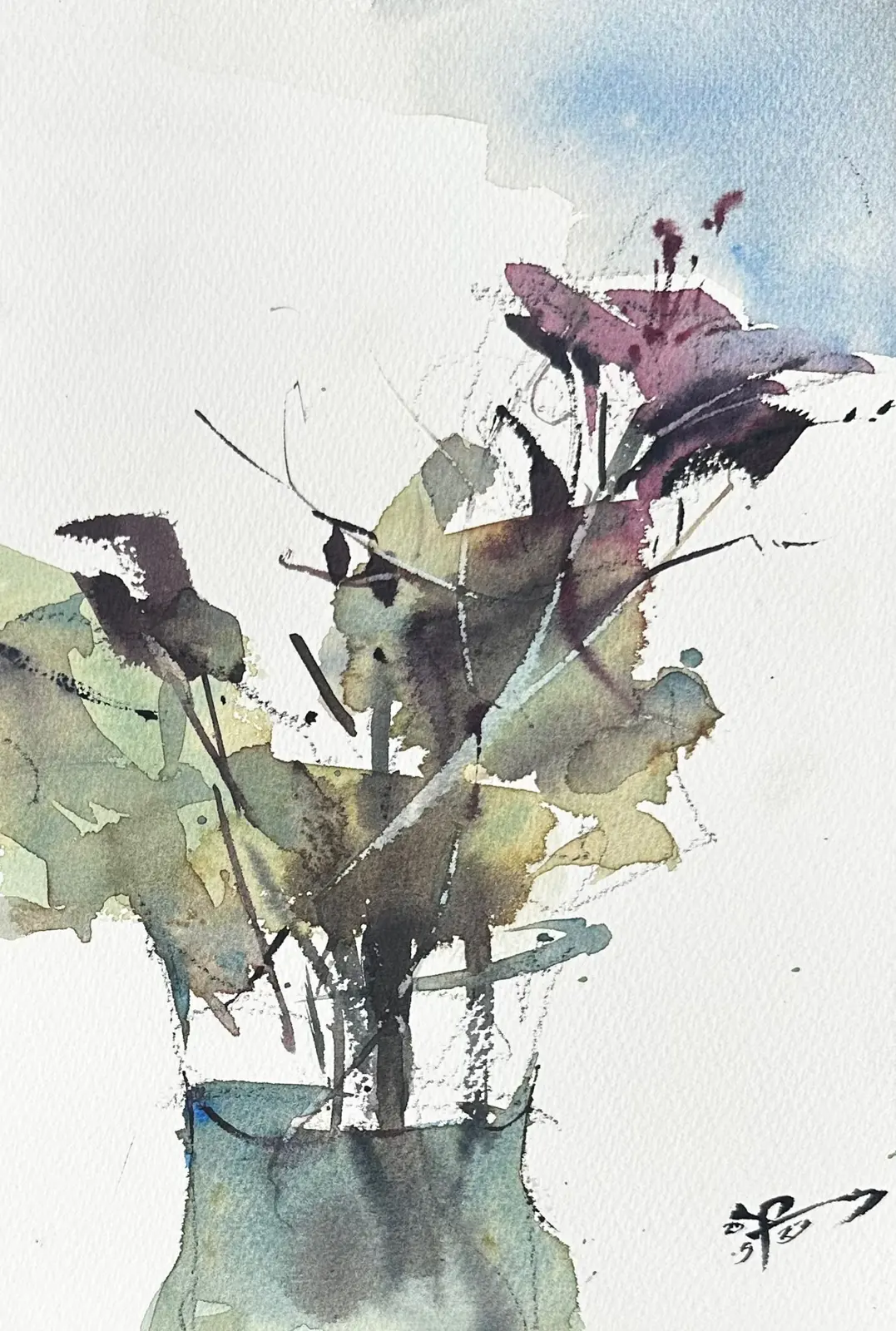
Swipe to see more works →
Online courses with Prasad
Prasad wants you to move from copying to composing. His design-first course teaches you to see shapes instead of objects and to decide what to leave out.
Course
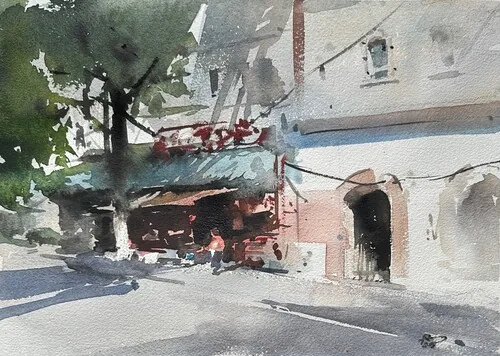
Design Before Detail: Mastering Composition
with Prasad Beaven
From €129
Paint five watercolors and learn to use negative space, visual hierarchy and notan to make clear, balanced compositions.
- 5 paintings in 5 lessons (5 hours of video)
- Lifetime access to the course materials
- Individual feedback from a curator on all 5 paintings plus 1 creative task within 75 days (Premium plan)
- Money back within 14 days of payment
Not ready for the full course? Start with one recording from €15 ↓
More landscape painters to learn from
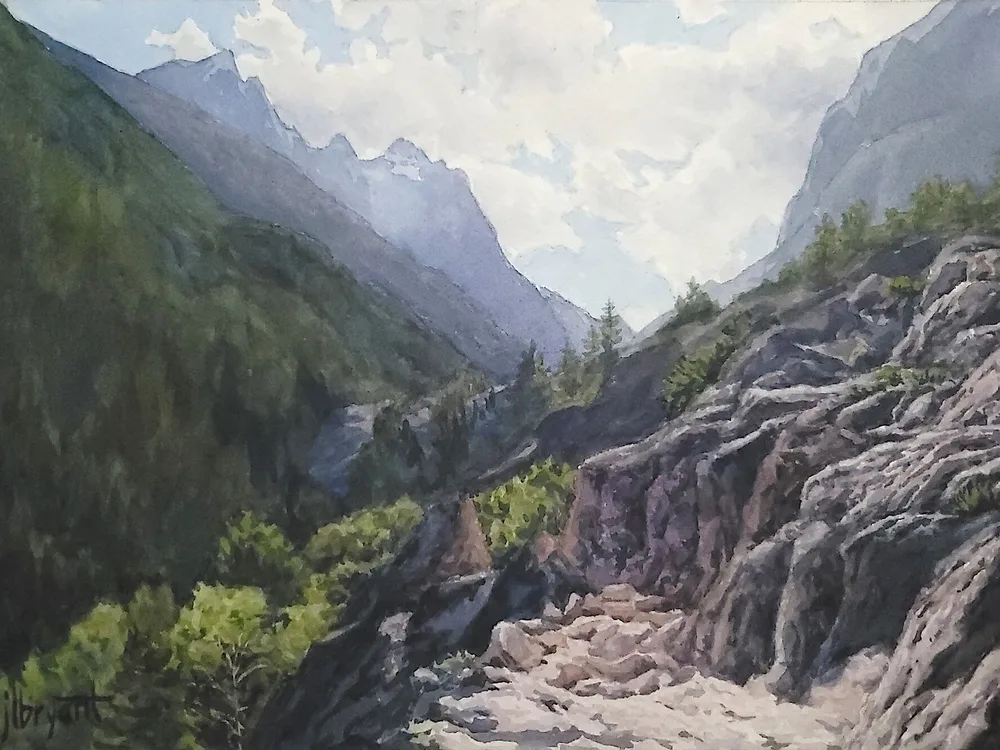
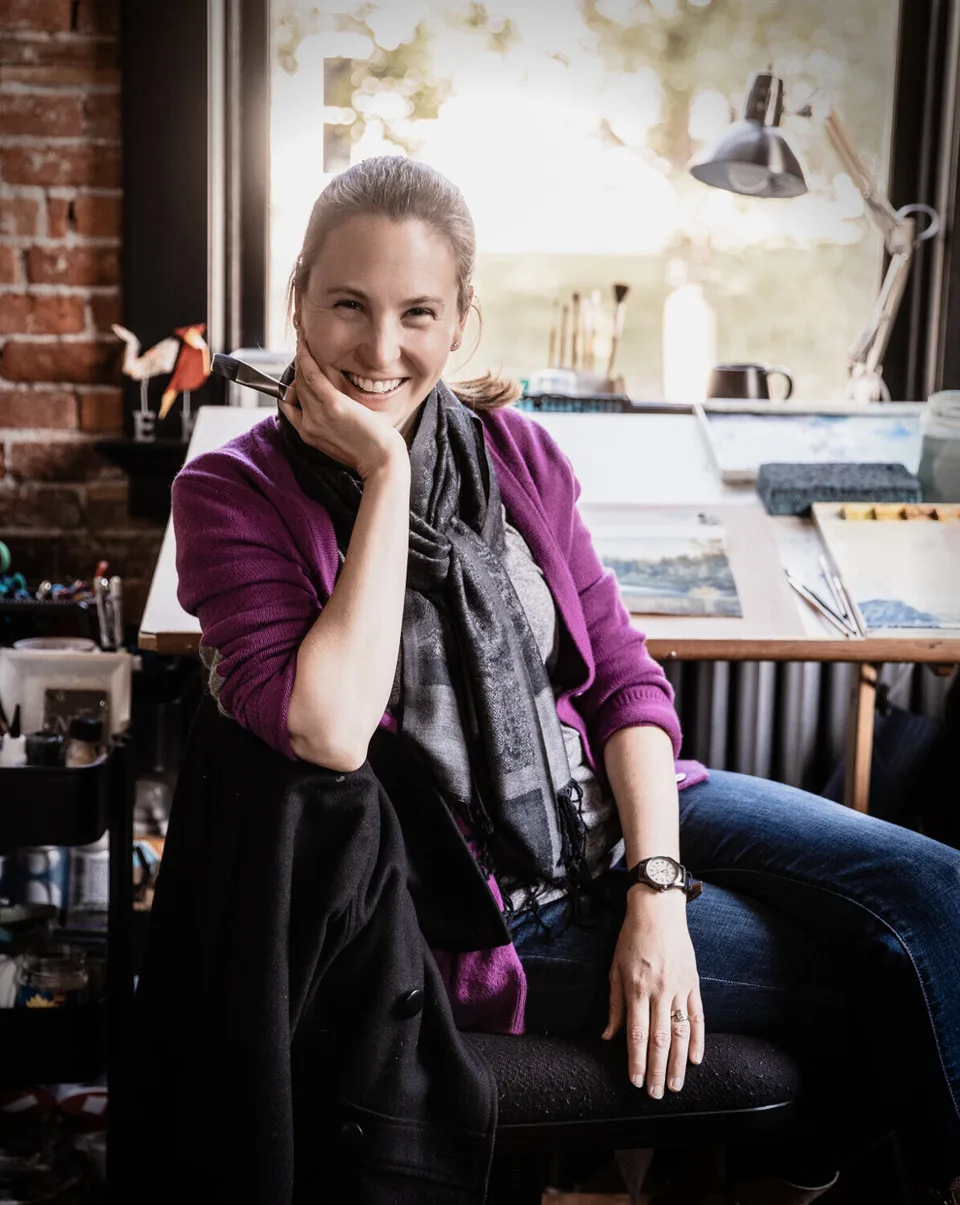
Signature Member, AWS, NWS and TWSA · eight-time Artist-in-Residence, U.S. National Park Service
Plans a painting by values first, then paints it loose or in detail.
Watercolor landscapes
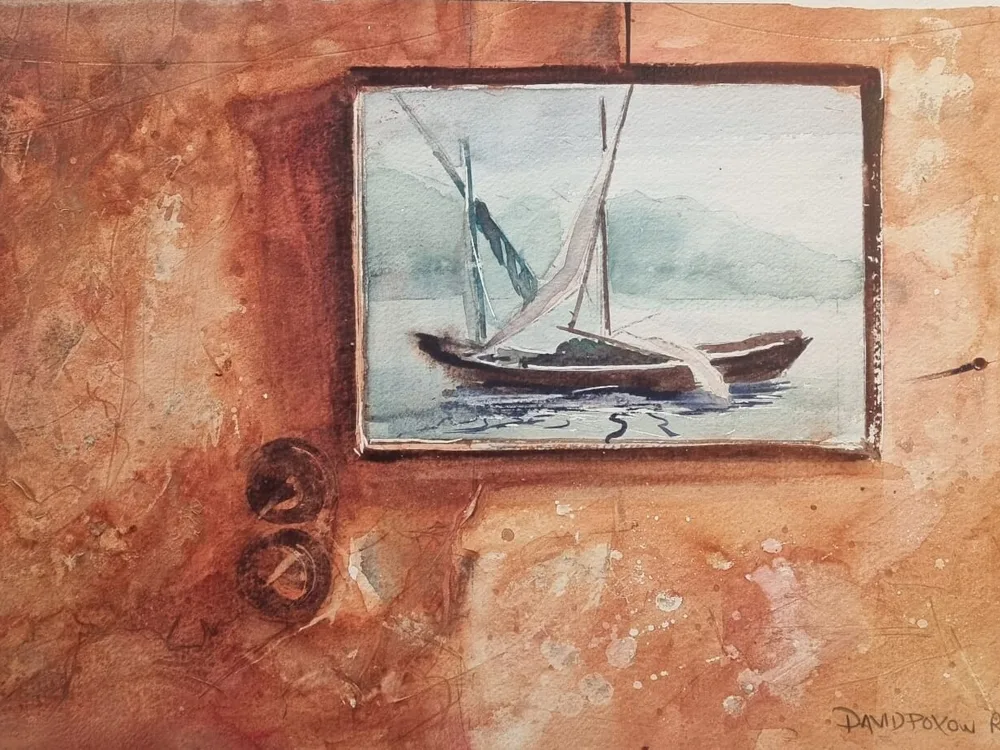
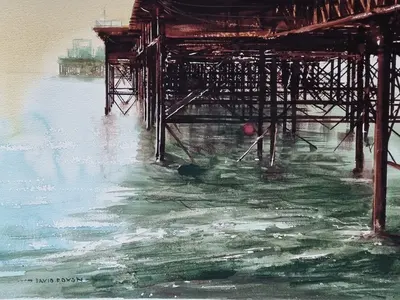
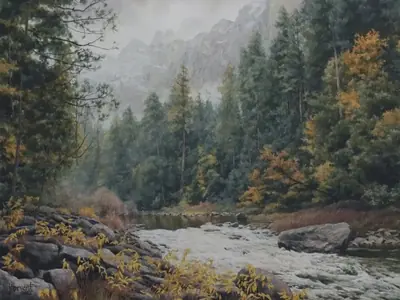
RI & NWS Member · Curator of International Watercolour Masters (UK)
Master of dry-brush realism — timeless textures and meditative calm.
Watercolor realism
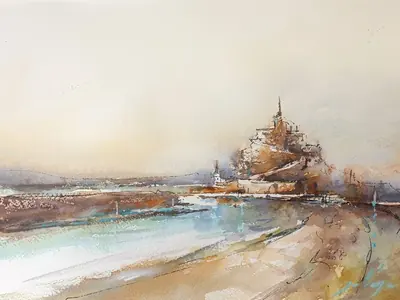
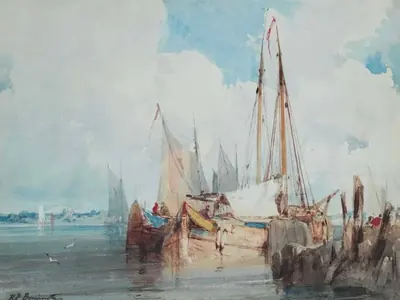
International juror · art director of The Art of Watercolour magazine · shown in Belgium, France, Australia and Canada
Atmosphere and light, built on structure and suggestion.
Watercolor atmosphere
What students say about learning with Prasad
I really enjoyed this lesson, and I think I’m starting to understand a few things about freedom. I think that not having a reference helped me because I could focus on creating the impression of something instead of being too caught up in wanting to reproduce a subject… And I’m pretty happy with how my painting turned out! I don’t know if I “should” be happy cause i have a hard time judging my work when it’s so abstract… I thought of maybe coming back in with another layer to add more darks but I was too scared of messing up what i’d already done. Really curious to hear your thoughts on it Terrilynn…
Mynah, student of Prasad Beaven
I really enjoyed this lesson by Prasad and this more intellectual approach. The comparison between Western and Chinese art history has given me a lot of insights and encouraged me to trust my way of painting. As a student, one often gets lost in technical questions of paper, brushes, colours or in questions of picture composition. Especially the repainting of pictures or photos reinforces this desire to completely copy what has been seen. But it is about something else: Please the mind, not the eye! In contrast to the photo, it is about what I see and feel as an artist. My brushstroke is my expression of my personality, my handwriting. Thank you for these insights, Prasad!
Christiane, student of Prasad Beaven
I have just watched this through for a second time, but this time I painted along with Prasad. I really enjoy doing this, as I find I learn a lot, even though I’m not always very satisfied with what I have painted. I also enjoyed the way Prasad gave hints as he painted … for example when he was drawing, he said something like: try to keep your lines connected as you draw, because this way you will automatically start connecting the shapes. I had never thought of this before. I just wish I could have lifetime access, because I’m bound to want to watch all the lessons and workshops again! (Sorry I put this as a comment under answers by mistake, but I can’t see an option to delete it there)
Anne, student of Prasad Beaven
Artefacto is an online watercolor school: 20,000+ students worldwide learn with 40+ world-renowned artists.
Before you choose
- “I can’t join live. I live in another time zone. Is there a recording?” You don’t need to. Design Before Detail is recorded video lessons: watch whenever it suits you, at your own pace.
- “How long do I have access? Does it expire?” It does not expire. Design Before Detail comes with lifetime access.
- “What materials do I need? Can I see the list before I pay?” Yes. The course page has a list of course materials, so you can check it before you pay.
- “Will anyone look at my painting? Which plan includes it?” In the Premium plan, yes: a professional curator gives individual feedback on all 5 paintings plus 1 creative task within 75 days. Check the plans on the course page.
- “Can I get my money back?” If after 1–2 lessons within the first week you realize you cannot create a painting with this approach, you get your money back within 14 days after payment.
- “My paintings look busy and flat. Is this course for me?” Yes. The course is for artists who have learned the basics but find their paintings cluttered or flat, and want a simple way to create balance and a clear focal point.
More ways to learn with Prasad
Try one recording — from €15
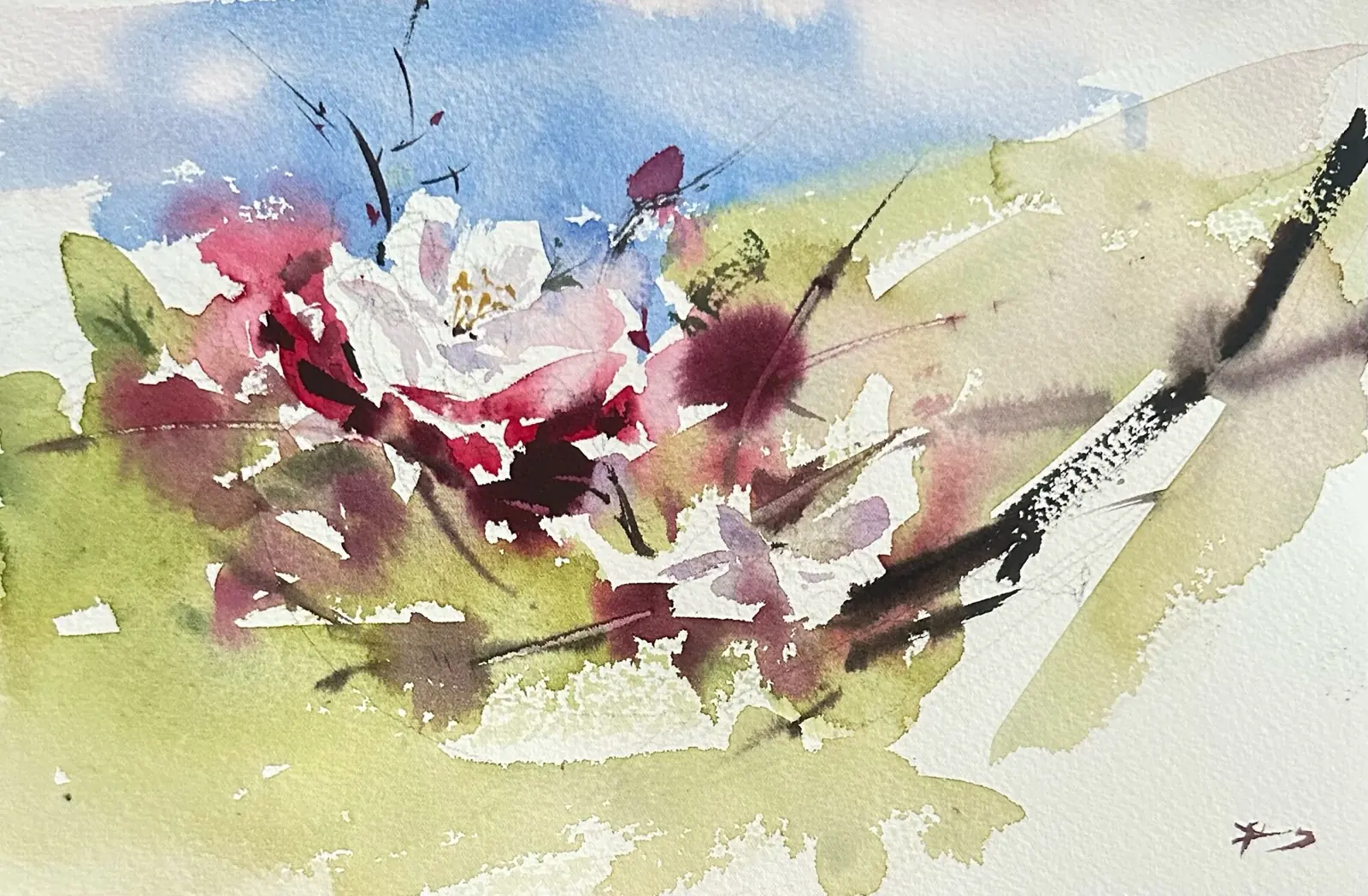
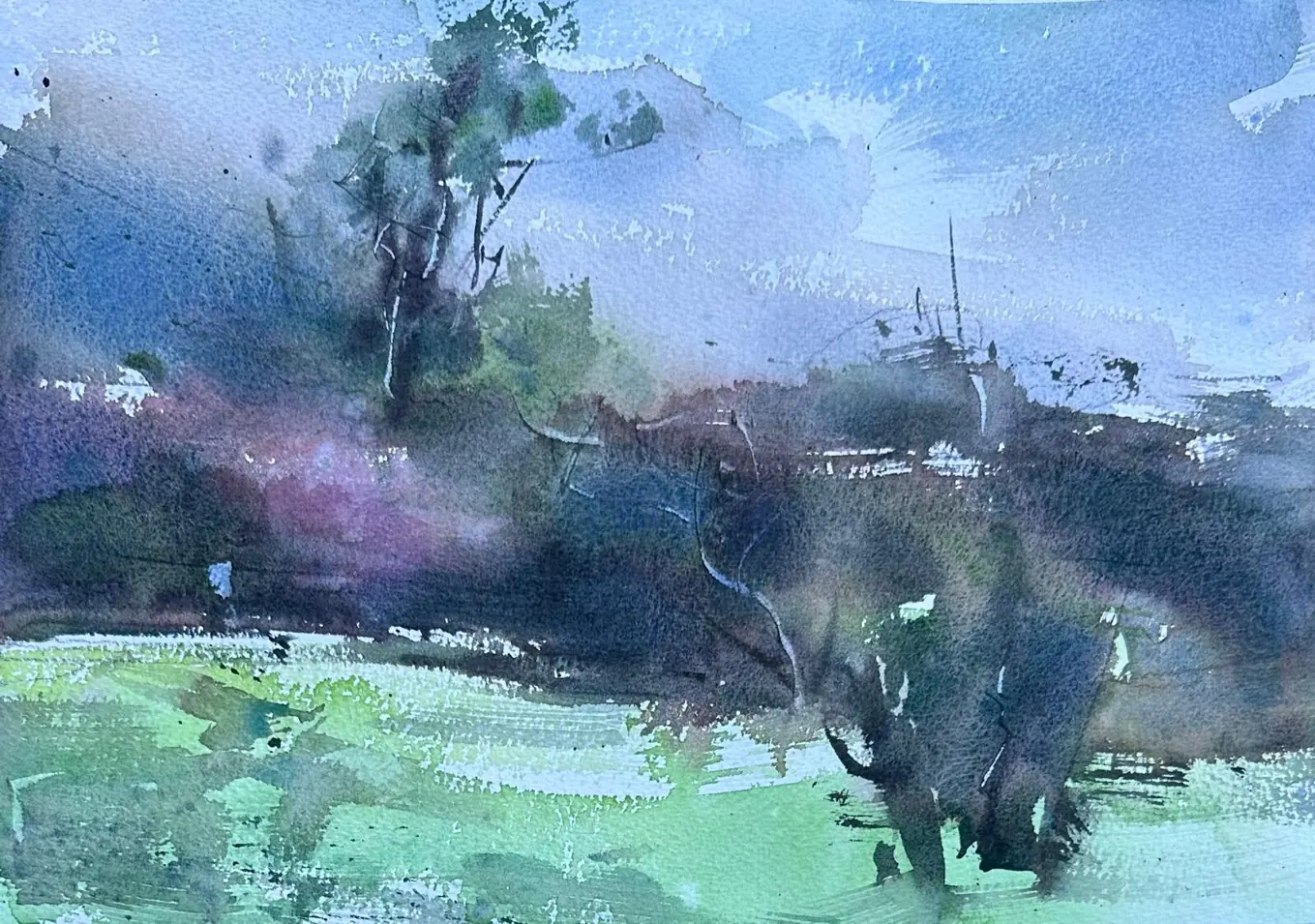
Show 1 more recordingShow less
Shorter courses — from €129